
Ramanathapuram, Aug 11 (IANS) The impact of El Niño and the resulting rainfall deficit has taken a toll on the traditional palmyra-based industry in southern Tamil Nadu, with reduced production pushing palm jaggery prices to unusually high levels this season.
The industry provides livelihoods to thousands of workers across Ramanathapuram, Thoothukudi, Tirunelveli and Tenkasi districts.
Ramanathapuram, which has one of the largest concentrations of palmyra trees in the state, is a major centre for palm jaggery production. Thousands of palmyra workers are engaged in the trade in villages including Sayalgudi, Narippaiyur, Mariyur, Kannirajapuram, Melachelvanur and Malattar.
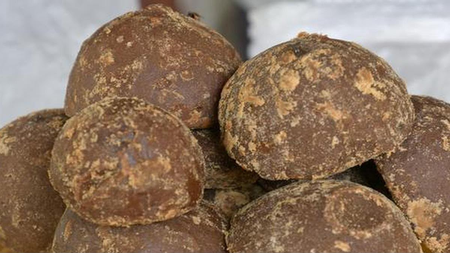
The padaneer season generally begins in January and February. Workers collect the sweet sap from palmyra trees and boil it to produce karupatti, or palm jaggery. Traders procure the jaggery directly from workers before supplying it to wholesale and retail markets.
Palm jaggery produced in Ramanathapuram is generally larger in size, while Udangudi karupatti from Thoothukudi district enjoys a distinct reputation and commands a higher price despite being smaller.
Palmyra workers also manufacture products such as panangalkandu, or palm candy, and sillukarupatti, which continue to attract steady demand from consumers. Workers said production had fallen sharply this year because of inadequate rainfall during the previous monsoon and subsequent summer months.
According to them, the palmyra trees did not receive sufficient moisture, affecting the quantity of padaneer available for jaggery production.
With the current production season nearing its end, supplies are expected to tighten further.
In Sayalgudi, palm jaggery that was selling for around Rs 350 a kg last month is now fetching up to Rs 400 a kg. Traders said prices could rise further once the production season concludes, particularly during the monsoon and winter months when demand traditionally increases.
The rainfall deficit associated with El Niño has therefore affected both palmyra workers and traders, while consumers are facing higher prices.
Prices are even higher for the well-known Udangudi varieties. According to a local trader, old stock Udangudi palm jaggery is currently selling at around Rs 600 per kg, while freshly produced jaggery is priced at about Rs 500. Palm candy is being sold at around Rs 800 a kg, while sillukarupatti is fetching approximately Rs 600 per kg, reflecting the reduced availability of palmyra products this year.
–IANS
aal/dpb