
TN farmers seek govt help as wild rice weed spreads across paddy fields in Kanyakumari

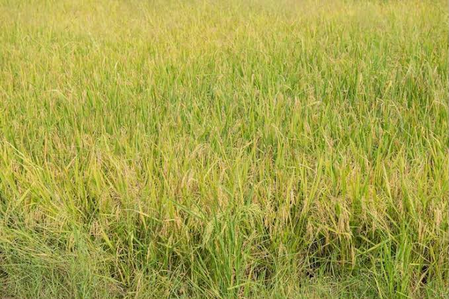
Kanyakumari, Aug 9 (IANS) Paddy farmers in Chenbagaramanputhoor in Thovalai taluk of Tamil Nadu’s Kanyakumari district are facing a growing threat from wild rice weed, which has spread across a significant portion of the cultivated area and increased the cost of farming.
Farmers have urged the state government and Agriculture Department to intervene immediately to control the weed and prevent it from spreading to unaffected fields.
Chenbagaramanputhoor is an important paddy-growing area, with agricultural fields extending along both sides of the main road through the village. A large portion of these fields receives irrigation directly from the Thovalai channel, which serves as a key water source for cultivation in the region.
During the ongoing Kanni Poo paddy season, farmers have cultivated varieties, including Ambai-16, TPS-5 and Ambai-21. However, the rapid spread of wild rice, also known as weedy rice, has emerged as a serious concern, particularly in fields where paddy has been raised through transplantation.
According to local farmers, the weed was first noticed in the area around four years ago but has expanded considerably in recent seasons. It is now estimated to have affected nearly 150 acres of the approximately 500 acres of paddy fields in Chenbagaramanputhoor.
Unlike ordinary weeds, wild rice closely resembles cultivated paddy in the initial stages of growth, making its identification and removal more difficult. Its presence can compete with the crop for nutrients, water and space, affecting productivity and creating additional work for farmers.
The problem has also increased cultivation expenses. Farmers have to deploy additional labour to identify and manually remove the weed from affected fields, pushing up production costs at a time when agricultural labour and other farm inputs have already become expensive.
Farmers fear that failure to contain the infestation could allow wild rice to spread further during subsequent cultivation seasons, affecting a much larger area. Seeds left behind in fields can contribute to recurring infestations and make eradication increasingly difficult.
The Chenbagaramanputhoor Farmers Association has sought government assistance to tackle the problem before it becomes widespread across the region.
Farmers want agriculture officials to inspect affected fields, identify the source of the infestation and recommend effective control measures. They have also sought technical guidance and coordinated intervention to prevent the weed from contaminating currently unaffected paddy fields and protect cultivation in the village during future seasons.
–IANS
aal/dpb