
Sheikh Hasina’s representative seeks update from Bangladesh HC on former PM’s request for new passport, National Identity Card

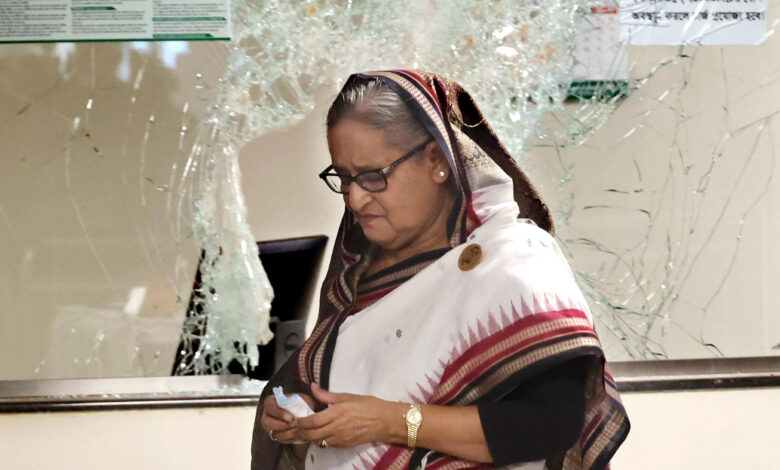
New Delhi, Nov 19 (IANS) A legal representative of former Bangladesh Prime Minister Sheikh Hasina has written to the Bangladesh High Commission in New Delhi on Thursday seeking an update on her request for a new Bangladeshi passport and National Identity Card (NIC), urging a reply “as a matter of urgency”.
In the letter addressed to the Acting High Commissioner Preeti Rahman, Steven Powles K C said that he was following up on his earlier letter of November 9.
“Further to my letter of 9 November 2026, I write to request an update regarding the issuance of a new Bangladeshi passport and National Identity Card for our client, the former Honourable Prime Minister, Sheikh Hasina,” the letter stated.
Powles said it was understood from press reports that the request had been received by the High Commission, but that there was a need for confirmation that he was acting for Hasina.
“I accordingly attach to this letter a signed authorisation to act on her behalf. We look forward to your reply as a matter of urgency,” he wrote.
On November 9, the Awami League announced that Hasina had formally sought the issuance of a fresh Bangladeshi passport and National Identity Card, marking a significant step towards her return to Bangladesh.
The move came amid reports that the previous Muhammad Yunus-led interim administration had revoked her existing documents. Hasina has reaffirmed her plan to return to Bangladesh in December and face the legal proceedings against her.
In an exclusive interview with IANS last week, Hasina said that she has considered all possibilities, including arrest, imprisonment and even a death sentence, and made it clear that she cannot stay away from home when ordinary people in Bangladesh are suffering.
“Look, I understand the risks very well. I may be arrested the moment I arrive. They may send me to prison. They may even try to kill me. I have considered all these possibilities. But, you know, I stopped worrying about my personal safety a long time ago,” Hasina had told IANS.
Stating that she cannot stay away from her people, Hasina said, “Today, my country is going through a terrible time. Our leaders and workers are being persecuted. Ordinary people are suffering, and families are losing their homes and livelihoods. How can I stay away while my people face such hardship?… If I have to die, I would rather die on the soil of my own country, among my own people.”
In her message to Bangladesh’s youth, the Awami League leader asked, “Is this the Bangladesh you wanted? Is this the future you imagined when you took to the streets? Do you feel safe today? Are your mothers and sisters safe? Are you finding jobs and opportunities?”
Earlier this month, while addressing his first press conference at the Ministry of Foreign Affairs in Dhaka, Bangladesh’s newly appointed Foreign Secretary Salahuddin Noman Chowdhury had refrained from commenting on reports that ousted Prime Minister Hasina has applied for a new passport and National Identity Card ahead of a possible return to the country in December.
New Delhi-based think tank, Rights and Risks Analysis Group, had said that denying Hasina a passport to facilitate her return to her own country would constitute a serious violation of her fundamental rights.
“The international community, including the United Nations, ought to intervene with the Government of Bangladesh to ensure that former Prime Minister Hasina is issued a passport or an appropriate travel document to facilitate her immediate return to the country,” the group said.
The remarks came after Bangladesh’s State Minister for Foreign Affairs, Humaiun Kobir, had said that Dhaka wanted India to hand over Hasina under the existing extradition treaty, rejecting suggestions that she would need a passport or other travel documents to return.
“The statement of Bangladesh’s State Minister for Foreign Affairs, Humaiun Kabir that Hasina would not be issued a regular passport or a travel pass to return to the country and she must be brought back to Bangladesh from Delhi under the existing extradition treaty between Bangladesh and India is without any legal basis and is only meant to deny her right to return,” Rights and Risks Analysis Group stated.
–IANS
ksk/as