
Dhaka, Aug 22 (IANS) Bangladesh’s prison system is struggling with severe overcrowding, with 75 prisons across the country having a combined capacity of 45,186 inmates but currently housing 98,233 — more than twice their designated capacity. Such inhuman living conditions amount to a violation of basic human rights and highlight the urgent need for reforms, a report has stated.
It noted that the gravity of the situation was acknowledged by Bangladesh’s Home Minister himself in Parliament a couple of months ago.
Citing its findings, a report in Bangladesh’s ‘The Daily Star’ highlighted a severe shortage of doctors to cater to the needs of such a large number of inmates.
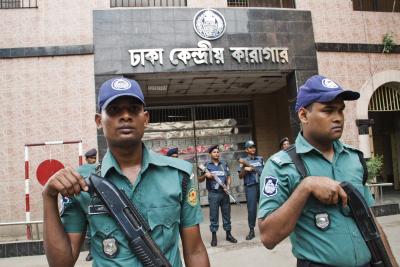
“Dhaka Central Jail in Keraniganj, for instance, has only two attached doctors, with no permanent physician for its 13,958 inmates. The jail authorities say at least 500 inmates come to its outpatient facility every day, placing huge pressure on the two doctors. Of the 151 sanctioned posts for prison doctors across the country, only two have been filled; the remaining 73 prisons have to depend on part-time doctors from the civil surgeon offices,” the report mentioned.
“There is a severe shortage of nurses and ambulances as well, the latter making it difficult to take critically ill inmates to the hospital. Last year, a total of 187 prisoners died; this year, 122 have died so far,” it added.
The report noted that prisoners’ deteriorating health conditions are compounded by an unofficial payment system, under which inmates who can pay secure better sleeping arrangements and improved food.
“The more a prisoner can pay, the slightly better the conditions. Endless discussions have taken place on improving prison conditions, with little visible impact. New prisons have been built, but the roots of overcrowding have been left unaddressed,” it stated.
Describing the state of affairs as “unacceptable”, the report called on the government to investigate the causes of overcrowding and determine whether all arrests had been lawful.
Referring to multiple media reports, it noted cases of people spending years behind bars because of mistaken identity, inadequate legal representation, lengthy trials, denial of bail and false charges.
“The validity of the cases and the duration of the trials needs to be properly assessed. Often during the special drives initiated by the law enforcement agencies, prisons get overcrowded. For instance, in June-July this year, more than 26,000 people were sent to jail by mobile courts, though the sentences were short. It must be examined whether mass arrests during special drives are sending innocent people to jail, as we have witnessed in the past,” the report detailed.
Alongside improvements to prison infrastructure, it said, authorities must ensure that inmates have access to basic needs, including proper healthcare, nutritious food, clean living conditions and adequate sanitation without fail.
–IANS
scor/as