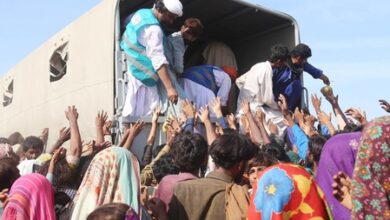
Pakistan: Children from underprivileged families continue to face structural barriers

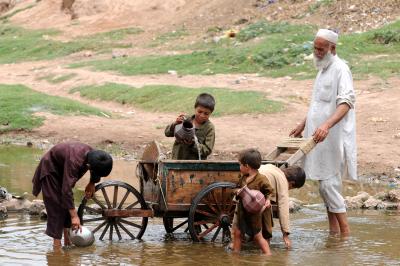
Islamabad, April 29 (IANS) Children from underprivileged families in Pakistan face structural barriers while children from wealthy families in the country continue to receive high-quality schooling and better opportunities leading to prestigious careers, a report has detailed.
According to estimates, approximately 26.2 million children, including 13.4 million girls, remain out of school in Pakistan. Around 20-28 per cent of school-age children are not enrolled in school, with many forced to prioritise survival over education.
“Why do some children enjoy their right to education while others are denied it? Why are quality schools reserved for those who can afford them, while millions are left with inadequate alternatives? Why do we continue to tolerate a system that reinforces inequality from one generation to the next? Children enter the world equal and without any bias or class difference. They are not born with an awareness of class, status or hierarchy, nor do they feel inferior unless society teaches them to,” an editorial in leading Pakistani daily The Express Tribune mentioned.
In the early years, children see life as a blessing and do not consider the disparities that come in adult life like political divisions, social stratification, or the invisible hindrances that decide who will succeed and who will struggle. Millions of children, particularly those from rural and under-resourced communities, do not have access to basic rights. Access to education, healthcare and meaningful participation in social and political life is also limited.
“As a professional in the field of education, I see the same patterns. Children from privileged backgrounds continue to access high-quality schooling, better healthcare and better opportunities, leading to prestigious careers. Meanwhile, children from underprivileged families face the same structural barriers I witnessed decades ago,” Express Tribune quoted Mujeeb Ali, an Assistant Professor, as saying.
“In many government schools today, conditions remain unchanged – under-resourced classrooms, limited materials and insufficient support for both students and teachers. Children from wealthy families are far more likely to become doctors, engineers, administrators or officers. Those from poorer backgrounds are often pushed toward low-paying, labour-intensive jobs – not because they lack talent, but because they lack opportunity,” he added.
–IANS
akl/as