No cause for panic over May heat forecast, follow IMD forecasts: Dr Jitendra Singh

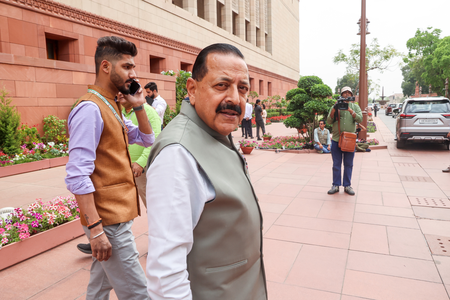
New Delhi, May 2 (IANS) Union Minister of State for Science and Technology, Dr. Jitendra Singh, said on Saturday that there is no cause for panic over predicted heat conditions in May and unwarranted reactions can be avoided by following weather forecasts and simple precautions.
Southern peninsular India, parts of the northeast and northwest India may see above‑normal temperatures and heat‑wave conditions, but most of the country is likely to experience normal to below‑normal temperatures during the month, an official statement said.
Dr Singh urged citizens to stay hydrated, avoid prolonged exposure during peak heat hours, and remain attentive to the needs of vulnerable individuals in their surroundings. He said that following IMD’s daily updates and impact-based forecasts will help minimise any potential health risks.
Minimum temperatures in several regions are also likely to remain above normal, he added, referring to the latest monthly outlook and extended-range forecast issued by India Meteorological Department (IMD).
Heat wave conditions can be effectively managed through timely preparedness and adherence to advisories issued, he said.
IMD’s forecast indicated that heat wave conditions are expected over the Himalayan foothills, parts of the east coast including Odisha, Coastal Andhra Pradesh and adjoining Tamil Nadu, as well as Gujarat and Maharashtra, with an increase of about 2-4 heatwave days above normal in these regions.
Relatively higher temperatures are expected during the second and the fourth weeks of May, which may lead to heat wave conditions across parts of Northwest, Central and West India, along with the East Coast.
The Minister said that higher nighttime temperatures during certain periods may add to heat discomfort, particularly in urban and coastal areas. Hot and humid weather conditions are also likely along the East Coast, Gujarat and Maharashtra.
The prevailing conditions remain generally favourable for harvesting of late Rabi crops in northern and northwestern regions, the minister said.
However, localised heat stress in parts of southern and northeastern India may affect certain summer crops such as rice (Boro), maize and pulses.
Farmers have been advised to carry out field operations during morning and evening hours, ensure light and frequent irrigation, and take protective measures for livestock.
The minister said that the government is fully prepared to deal with heat-related conditions. He emphasized coordinated efforts at the state and district levels to ensure availability of drinking water, functional cooling arrangements and uninterrupted power supply, with special attention to vulnerable groups including infants, the elderly and outdoor workers.
–IANS
aar/na