
Increased HIV, Hepatitis C cases point towards grim healthcare system in Pakistan: Report

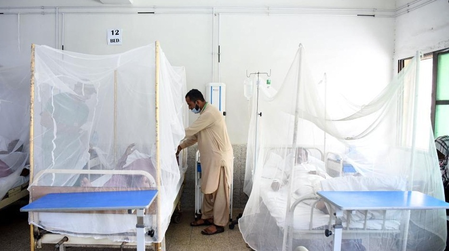
Islamabad, Aug 9 (IANS) Unsafe injections, poorly screened blood, inadequate sterilisation, and weak regulation leading to rising HIV positive cases and increased prevalence of Hepatitis C are a harsh reality of Pakistan’s deficient healthcare services, according to a media report.
The Pakistan Economic Survey 2025-26 puts public health expenditure at just 0.8 per cent of GDP in a country of more than 250 million people, indicating what the state values, Dr Naazir Mahmood, Dean of the Faculty of Liberal Arts at a private university in Karachi, wrote in The News International.
She underlined that even as new cases of HIV infections have substantially fallen worldwide since 2010, Pakistan has one of the fastest-growing epidemics in the WHO Eastern Mediterranean region.
Moreover, she stated that the nation now carries the “world’s highest HCV burden”, noting unsafe injections, poorly screened blood, inadequate sterilisation and weak regulation causing blood-borne infections, are the connections between these epidemics.
Dr Mahmood said that though Pakistan has had regulations, programmes, committees and crackdowns before, “the difficulty lies less in discovering what ought to be done than in ensuring that somebody actually does it”.
“This is particularly visible in Sindh. I have spent much of my life in Karachi and what strikes me is the extraordinary coexistence of medical excellence and public-health failure. Karachi has superb doctors, sophisticated private hospitals, and specialists capable of providing treatment comparable with that available internationally. Yet travel beyond the protected islands occupied by the affluent and another Sindh appears. In poorer districts, the citizen encounters overcrowded facilities, shortages, unregulated practitioners, unsafe water and sanitation problems that turn ordinary illness into a recurring hazard. This is why health inequality cannot be understood merely by counting hospitals.”
Apart from the lack of food, poor sanitation, inadequate breastfeeding, deficient diets, frequent infections, poverty and limited access to primary healthcare are leading causes for the dwindling health care in the country, she contended.
“A malnourished child is therefore not simply evidence of an empty kitchen. The child may also be evidence of a broken water system, an absent health worker, an undereducated mother and a dysfunctional local government.”
Dr Mahmood wrote in the report that the infrastructure for improvement in the country’s healthcare partly exists, like Pakistan’s Lady Health Worker programme.
“However, to put the healthcare measures in place, the country first needs safe syringes and screened blood, functioning primary healthcare, properly funded Lady Health Workers, clean drinking water, sewerage and nutrition programmes. It needs vaccination, family planning, and breastfeeding support. Above all, it needs data that cannot be hidden, regulators who actually regulate and officials who face consequences when systems fail.”
–IANS
cg/vd