
CBI arrests 2 NCB sub-inspectors for demanding Rs 25 lakh bribe from UP chemist

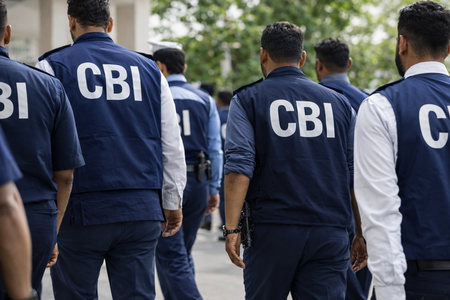
New Delhi, Nov 16 (IANS) The CBI arrested two sub-inspectors of the Narcotics Control Bureau (NCB) for demanding a bribe of Rs 25 lakh from a chemist in Uttar Pradesh for keeping him out of a narcotics case, an official said on Monday.
Sub-inspectors Ajit Singh Meena and Sumeet Kumar were arrested on Saturday after the CBI laid a trap on receiving a complaint from Amin Shukla, who owns Sanjeevani Medical Store in Powayan town in Shahjahanpur district, the official said in a statement.
After their arrest, the two NCB sub-inspectors were sent to CBI custody for two days, the statement said.
It was alleged that the Meena, Sub-Inspector/Investigating Officer in a case, demanded a bribe of Rs 50 lakh from the complainant but lowered the bribe amount to Rs 25 lakh in exchange for not implicating the complainant falsely in the NDPS (Narcotic Drugs and Psychotropic Substances Act) case.
During verification, it was revealed that he agreed to accept a bribe amount of Rs 12 Lakh as a part payment for helping Shukla in the case and sent SI Sumeet Kumar for collecting the bribe money near the former’s office in South Delhi.
The CBI laid a trap and caught the accused while accepting Rs 12 lakh, the CBI said.
While seeking the remand of the accused, the CBI said in its application in the court that on Meena’s direction, Kumar, who was present at the spot, allegedly accepted the bribe amount from the complainant near Tamil Sangam Marg in R.K. Puram in south Delhi.
The payment packet, laced with a special chemical used by the CBI, consisted of Rs 2 lakh in genuine currency notes along with dummy notes of Rs 10 lakh, the application said.
The CBI said during the handing over of the bribe amount, Kumar grew suspicious and tried to escape from the spot but was chased and arrested along with Meena.
The CBI took hand washes of Kumar, in the presence of an independent witness, and these turned pink – confirming that he had touched the money packet which was laced with the chemical.
As a standard procedure in trap cases, investigating agencies dust currency notes used as bribe money with a smooth, white phenolphthalein powder before the trap operation.
To confirm that the suspect touched the bribe money, the probe agency, after the suspect touches the marked money, washes his hands in a colourless solution of sodium carbonate or lime water.
During the wash, phenolphthalein turns a distinct pink to deep red in an alkaline environment, providing visual proof that the suspect physically handled the tainted cash, helping the probe agency to arrest a bribe taker “red-handed”.
–IANS
rch/dan