
Assam amends excise rules; liquor prices likely to rise as new licensing norms expand sector regulation

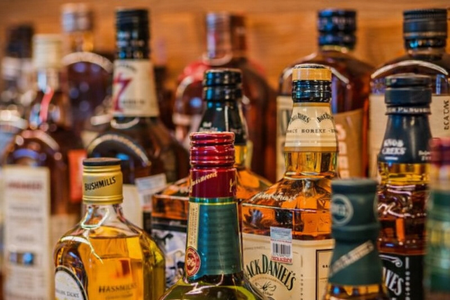
Guwahati, June 14 (IANS) The Assam government has amended the Assam Excise Rules, 2016, in a move that industry sources say could lead to an increase in liquor prices due to changes in licensing provisions and regulatory coverage across the alcohol supply chain, officials said.
The amendments, notified through an extraordinary Gazette, expand the scope of licensed operations and revise key definitions governing the manufacture, storage and sale of alcoholic beverages in the state, officials added on Saturday.
The amendments were issued by the Excise Department under Section 84 of the Assam Excise Act, 2000, and have come into force with immediate effect, except for one provision under Rule 19 that will take effect from July 1, 2026.
One of the significant changes is the revision of the alcohol content threshold in a key definition under Rule 1A.
The prescribed limit has been increased from “more than five per cent V/V” to “more than eight per cent V/V”, altering the classification framework under the excise rules.
The notification also replaces the definition of “Manufactory” with a broader provision.
Under the amended rules, a manufactory will include premises where Extra Neutral Alcohol (ENA), Rectified Spirit, India Made Foreign Liquor (IMFL), Beer, Wine and Country Spirit are manufactured and stored without payment of ad valorem levy or excise duty under licences issued under the rules.
In another major amendment, the state government has widened the licensing framework by specifically including IMFL wholesale warehouses, beer wholesale warehouses, beer retail OFF shops and Country Spirit wholesale and retail outlets within the ambit of relevant licensing provisions.
Excise officials said the amendments are intended to streamline regulation and bring greater clarity to the licensing and operational structure of the liquor industry.
Industry observers, however, said the expanded regulatory framework and compliance requirements may increase operational costs for manufacturers, wholesalers and retailers, which could eventually be reflected in retail liquor prices.
The latest changes are part of the state’s ongoing efforts to strengthen oversight of the alcohol sector and modernise excise administration in line with evolving industry practices.
–IANS
tdr/khz