Washington, March 27 (IANS) The US Department of Labor has proposed new rules to raise wages for foreign workers under H-1B and other visa programmes.
The move aims to align foreign worker pay with US market wages. Officials say it will protect American workers and reduce misuse of the system.
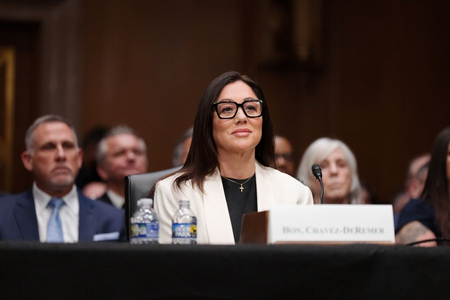
“The Trump Administration is committed to ensuring that American workers are not disadvantaged by unfair wage practices,” Labour Secretary Lori Chavez-DeRemer said.
The proposal changes how “prevailing wages” are calculated. These wages set the minimum pay employers must offer foreign workers.
Under the new plan, entry-level wages would rise sharply. The lowest level would move from about the 17th percentile to the 34th percentile. The highest level would rise from the 67th to the 88th percentile.
Officials say current wage levels are too low. They argue this allows companies to hire foreign workers at cheaper rates than US workers.
Government data shows H-1B workers are often paid less than Americans in similar jobs. The gap is about $10,000 on average, the proposal says.
The Department said this creates an incentive to replace US workers with lower-paid foreign labour.
Under existing rules, employers must pay either the prevailing wage or the actual wage paid to US workers. The higher of the two applies. But the prevailing wage acts as a floor, and critics say it is set too low.
The new rule aims to raise that floor. It would better reflect workers with similar skills and experience.
The proposal would apply to new applications. It would not change existing approvals.
The Department estimates wages could rise by about $14,000 per worker each year. This could increase labour costs for employers.
Officials say the goal is to restore fairness in the labour market. They say foreign workers should not undercut US wages.
Public comments will be accepted for 60 days after publication in the Federal Register on March 27.
The H-1B visa is the main US programme for hiring foreign skilled workers. Many later move to permanent residency through other visa categories.
The proposed changes could have a major impact on employers and foreign professionals, especially in the technology sector.
–IANS
lkj/rs