Washington, April 21 (IANS) The fragile two-week US-Iran ceasefire is set to expire Wednesday evening, clouding prospects for fresh negotiations and the future of the Strait of Hormuz, after US President Donald Trump depicted extension of the truce as “highly unlikely.”
Asked if he expects strikes to resume immediately afterwards if no deal is reached, Trump said, “If there’s no deal, I would certainly expect.”
The remarks came as Washington reportedly sought to keep diplomatic channels open. US Vice President JD Vance, who led the first round of face-to-face talks, is expected to depart for Islamabad by Tuesday for talks, Axios reported, citing US sources.
Signalling conditional openness to engagement, Trump told The Washington Post that he will be willing to meet senior Iranian leaders if a breakthrough is reached, and said in a separate interview with Bloomberg that his personal attendance at talks may not be necessary.
However, signals from Tehran remained mixed. Axios reported that the Iranian team received a green light from the supreme leader on Monday night to engage in talks with the United States, but officials stopped short of confirming participation, reports Xinhua news agency.
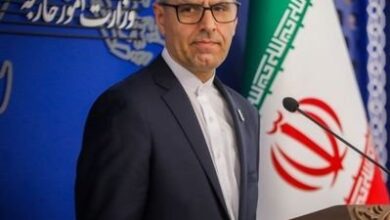
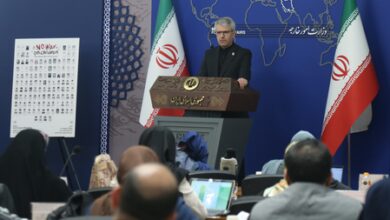
Iranian Foreign Ministry spokesperson Esmaeil Baghaei said earlier Monday that Iran currently has no plan for the second round of talks and that US actions are in no way indicative of its seriousness in pursuing a diplomatic process.
The US “provocative actions” and “ceasefire violations” are major obstacles to continuing peace negotiations between the two countries, Iran’s Foreign Minister Seyed Abbas Araghchi said Monday.
Speaking anonymously to The Washington Post, a senior Iranian official said the tone of Trump’s public statements and the ongoing US blockade were the two most serious issues threatening talks. The official added that while both sides largely agreed on the outlines of a deal, Trump’s public “maximalism” risked scuttling the diplomatic progress.
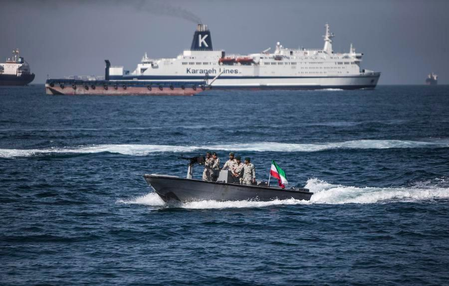
Tensions remained elevated in the Strait of Hormuz, the narrow waterway through which about one-fifth of global oil trade passes. Iran briefly reopened the strait after the initial ceasefire but imposed new restrictions following the US Navy’s seizure of an Iranian-flagged cargo ship that attempted to run the blockade over the weekend.
The Strait of Hormuz would remain blocked until a peace agreement is finalised, Trump said in a phone interview.
“They want me to open it. The Iranians desperately want it opened. I’m not opening it until a deal is signed,” he said.
Despite the maritime standoff, some signs of domestic normalisation were underway in Iran. Iran’s Civil Aviation Authority announced Monday that Tehran’s main airports — Imam Khomeini International Airport and Mehrabad International Airport — had reopened for passenger flights after weeks of wartime closures, the semi-official Fars news agency reported.
The original ceasefire had been hailed as a rare de-escalation after more than seven weeks of conflict. First-round talks in Islamabad earlier this month produced no breakthrough, with both sides trading public criticism since then.
–IANS
sd/