LS discusses eradication of Left-Wing Extremism: BJP says end possible now; ‘monopolising’ credit, claims Cong

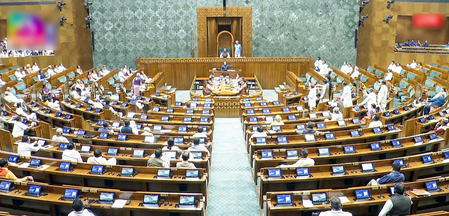
New Delhi, March 30 (IANS) The Lok Sabha on Monday witnessed a sharp exchange of views as members debated the government’s efforts to eradicate Left-Wing Extremism.
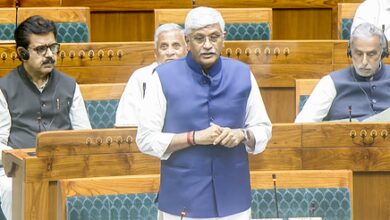
Shiv Sena MP Shrikant Shinde lauded Maharashtra’s initiatives, particularly in Gadchiroli, a district long troubled by Maoist activity. He said the state government has been making “fruitful efforts” to wipe out Maoism. He said that when Eknath Shinde was Guardian Minister of Gadchiroli, he personally visited the district and celebrated Diwali with the people, symbolising solidarity and confidence in the administration’s outreach.
Shinde further asserted that under the leadership of Prime Minister Narendra Modi and Home Minister Amit Shah, the complete abolition of Maoism was now possible.
Congress MP Saptagiri Sankar, however, mounted a sharp rebuttal. He questioned whether the ruling party was ignoring the sacrifices made by earlier governments and the police forces who bore the brunt of Maoist violence.
“From the claims of the ruling MPs, one will think that Home Minister Amit Shah himself killed the Maoists with a gun, and no one else has a role in it,” he remarked, accusing the government of monopolising credit.
Sankar, who hails from a region where Left-Wing Extremism remains entrenched, reminded the House that Congress leaders in Chhattisgarh were targeted and killed in Maoist attacks between 2006 and 2009.
He asked pointedly whether anyone from the BJP had lost their lives either during the freedom struggle or in Maoist violence, suggesting that the sacrifices of Congress workers and leaders were being overlooked.
The debate highlighted the political fault lines over how credit is apportioned in the fight against extremism.
While the ruling side emphasised current leadership and state-level initiatives, the opposition sought recognition of past sacrifices and questioned the narrative of exclusivity.
The discussion underscored both the progress made in reducing Maoist influence in districts like Gadchiroli and the continuing challenges in regions where extremism remains active.
It also reflected the broader contest between ruling and opposition parties over historical legacy, political ownership, and the framing of national security achievements.
–IANS
sktr/dpb