Korean won weak, but dollar liquidity ample to buffer shocks: BOK chief nominee

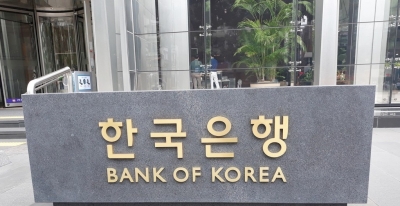
Seoul, April 15 (IANS) The Korean won has remained relatively weak in recent months, but the country has sufficient dollar liquidity to respond to external shocks, Shin Hyun-song, nominee for the head of South Korea’s central bank, said on Wednesday.
Shin made the remarks during a confirmation hearing at the National Assembly in Seoul, as he has been tapped to replace outgoing Bank of Korea (BOK) Gov. Rhee Chang-yong, reports Yonhap news agency.
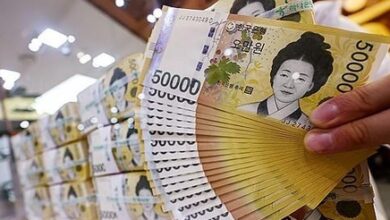
“It is not appropriate to comment on the specific level, but it is true that the (won-dollar) exchange rate has remained at a fairly high level over the past few months,” Shin said. “Excessive currency depreciation is not desirable.”
The nominee, however, noted that the country’s foreign exchange reserves remain sufficient to serve as a buffer against external shocks.
As a factor behind the won’s weakness, Shin pointed to the significant influence of offshore transactions.
“There appears to have been a ‘tail wagging the dog’ phenomenon. Offshore non-deliverable forward (NDF) trading involving the Korean won has played a significant role in the currency’s depreciation,” Shin said.
“I will push to make the won more widely used globally and build an offshore settlement system so we can better manage the exchange rate and strengthen the currency’s international standing,” he added.
The won had hovered around the psychologically significant 1,500 won-per-dollar mark before easing to around the 1,450 level, as the conflict in the Middle East pushed up global oil prices and rattled global markets.
Meanwhile, South Korea’s money supply rose for the fourth consecutive month in February, as increases in savings deposits offset a decline in certificates of deposit (CDs), central bank data showed.
The country’s M2, a key gauge of the money supply, stood at an average of 4,114 trillion won (US$2.79 trillion) in February, up 600 billion won from a month earlier, according to the preliminary data from the Bank of Korea (BOK).
The figure rebounded in November after declining the previous month and has since posted monthly gains.
M2 is a measure of the money supply that includes cash, demand deposits and other easily convertible financial instruments.
“Demand deposit-type savings rose as idle funds awaiting fiscal execution by local governments increased,” a BOK official said. “Marketable instruments, on the other hand, declined as the issuance of CDs fell due to worsening issuance conditions and reduced funding demand.”
—IANS
na/