
IRDAI proposes public insurance registry to create integrated, transparent insurance ecosystem

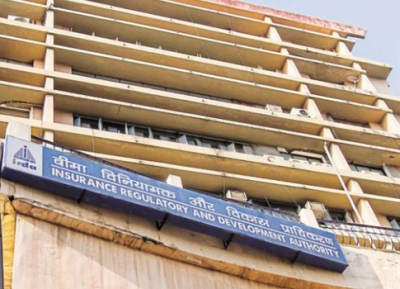
New Delhi, Sep 1 (IANS) The Insurance Regulatory and Development Authority of India (Irdai) on Tuesday released a consultation paper proposing the creation of a Public Insurance Registry (PIR), a population-scale digital infrastructure aimed at bridging information gaps and making insurance services more transparent, accessible and efficient.
The proposed registry is designed to connect insurers, intermediaries, reinsurers, financial institutions, government agencies and policyholders through an interoperable digital framework covering the entire insurance lifecycle.
IRDAI had first proposed setting up the PIR in March this year. The framework is envisaged as a consent-driven and legally compliant digital infrastructure covering various stages of an insurance policy, from issuance and servicing to claims, grievance redressal and dispute resolution.
The initiative is part of the broader vision under the Sabka Bima Sabki Raksha (Amendment of Insurance Laws) Act, 2025, and is aimed at creating a more integrated and transparent insurance ecosystem in the country.
According to the consultation paper, the PIR would function as an interoperable access layer rather than a single centralised data repository. The underlying information would continue to remain securely with the original source institutions, while the registry would provide authorised participants with verified and consistent information.
The proposed architecture is intended to reduce information barriers and systemic friction across the insurance sector while promoting fair competition. It could also enable insurers to develop more tailored products, improve risk pricing and strengthen customer service by making reliable information more accessible.
For policyholders and prospective insurance buyers, the registry is expected to address several challenges associated with the retail insurance journey. A single-window interface could allow citizens to discover and compare insurance coverage, verify licensed insurers and intermediaries, track policies held across multiple insurers and simplify the claims process.
The system is also expected to help policyholders identify forgotten or unclaimed insurance amounts, while making policy purchase and maintenance more convenient and cost-efficient.
By reducing paper-based verification requirements and cutting down onboarding steps, the proposed infrastructure could make insurance services easier to access for consumers, particularly those who face difficulties navigating the existing fragmented system.
–IANS
pk