‘Illegal and unacceptable’: UN Special Rapporteur condemns detention of Afghan women over dress code

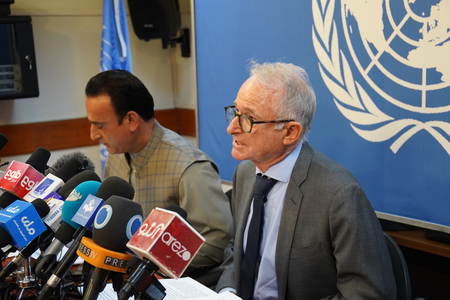
Kabul, June 9 (IANS) The UN Special Rapporteur on the situation of human rights in Afghanistan, Richard Bennett, has expressed concern over the detention of Afghan women for violating the Taliban’s dress code, terming the action “illegal and unacceptable” and calling for their immediate release.
Bennett’s statement comes after Taliban morality police detained at least 21 women and girls in Herat for alleged non-compliance with the dress code, Amu TV reported, citing local sources.
In a post on X, Bennett stated, “I am deeply alarmed that for a 3rd consecutive day, scores of women in Herat continue to be arbitrarily arrested and detained for violating the Taliban’s dress code. It is illegal and unacceptable. The arrests must stop, and the women must be released immediately.”
The sources revealed that Afghan women and girls were detained in several parts of Herat, including the southern road, Almas Market and the Qasr area, as per the report. The women who have been detained reportedly include a nurse who worked at Herat Regional Hospital.
The arrest of Afghan women and girls comes after the Taliban’s Directorate for the Promotion of Virtue and Prevention of Vice in Herat issued a directive, which ordered male family members to ensure that women follow the Taliban’s interpretation of Islamic dress requirements.
According to the directive, women seen in public without a prayer veil, uncovered faces, or wearing tight clothes or makeup could face detention and will be taken to a women’s detention facility, Amu TV reported.
The latest incident comes amid reports of increased implementation of the Taliban’s morality law in several parts of Afghanistan.
Human rights groups said the law has increased restrictions on women, with monitoring of their clothes, movement and participation in public life.
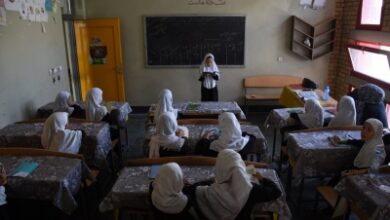
Since seizing power in Afghanistan in 2021, the Taliban has imposed restrictions on Afghan women and girls, including banning girls from attending secondary schools beyond the sixth class, prohibiting women from studying at universities, and imposing restrictions on employment and access to public spaces.
–IANS
akl/sd/