Washington, March 18 (IANS) US lawmakers moved to tax major oil companies as fuel prices surged sharply following the Iran war, with Democrats accusing energy firms of profiting while American consumers face rising costs.
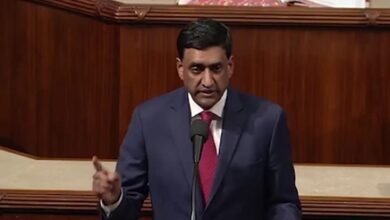
US Senator Sheldon Whitehouse and Indian American Congressman Ro Khanna reintroduced the Big Oil Windfall Profits Tax Act, pointing to a steep rise in petrol prices in recent weeks.
“The price of a gallon of gas is up 80 cents just weeks after the onset of war in Iran, and the price of a barrel of oil has increased 50 percent from what it was at the start of the year,” lawmakers said, as global oil markets came under pressure from supply disruptions and tensions in key shipping routes.
Whitehouse said, “American consumers are once again getting squeezed at the gas pump as President Trump’s war of choice in Iran sends gas prices soaring and money flowing to his Big Oil donors.”
He added that any windfall gains should be returned to consumers and called for a shift to cleaner energy to reduce future price shocks.
Khanna said, “Trump’s war of choice in Iran is not just a moral mistake but an economic blunder that is skyrocketing gas prices for working Americans.”
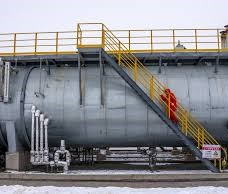
The proposed legislation would impose a tax on large oil companies producing or importing at least 300,000 barrels per day. The levy would equal 50 per cent of the difference between current oil prices and last year’s average, when companies were already reporting strong profits.
Revenue from the tax would be returned to consumers through quarterly rebates. At $100 per barrel, the measure is estimated to raise about $33 billion annually. Single filers would receive about $216 per year, while joint filers would get roughly $324.
Supporters said the measure targets excess profits during geopolitical crises.
Leah Donahey of the League of Conservation Voters said, “We should make sure that when oil executives are raking in big profits, they are returned to the American consumers who are feeling the pain.”
Mahyar Sorour of the Sierra Club said, “It’s a dangerous and costly cycle we must break. We applaud Senator Whitehouse and Representative Khanna for introducing this legislation and urge Congress to swiftly enact a windfall profits tax.”
Cassidy DiPaola of the Make Polluters Pay Campaign said, “Every time oil prices spike because of a geopolitical crisis, American families end up paying the price while the largest oil companies collect billions in unexpected profits.”
Separately, Democratic lawmaker Frank Pallone criticised the administration’s handling of the crisis.
“Oil prices have been extraordinarily volatile, while gasoline prices have increased by nearly 75 cents per gallon since the start of the year,” Pallone said at a congressional hearing.
He added, “no one in the Trump Administration had a plan for what to do about oil prices let alone any plans on how to end a war that should never have happened.”
Pallone also cited the President’s remark: “when oil prices go up, we make a lot of money.”
Market data showed mounting pressure on consumers. US petrol prices rose to nearly $3.72 a gallon, the highest since October 2023. Since the war began, prices have climbed by about 74 cents, marking the largest monthly increase since Hurricane Katrina.
Diesel prices have risen even faster, gaining $1.24 to nearly $5 a gallon. Brent crude hovered above $100 per barrel, while supply disruptions intensified after attacks on oil facilities and shipping routes.
The Strait of Hormuz, through which about 20 per cent of the world’s oil supply flows, has been severely affected by the conflict. Analysts warned that prolonged disruption could push prices significantly higher.
The International Energy Agency said member countries would release 400 million barrels from emergency reserves to stabilise markets, though some supplies will not reach markets until later this month.
–IANS
lkj/rs