Maha CM banks on dedicated policy for nuclear power, reaffirms push for storage and data centres

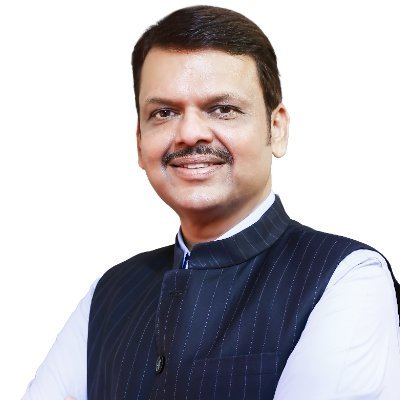
Mumbai, Nov 11 (IANS) Signalling a major strategic shift toward long-term energy security, Maharashtra Chief Minister Devendra Fadnavis announced that the state is formulating a dedicated nuclear energy policy with a core focus on Small Modular Reactors (SMRs).
Speaking to journalists during a Diwali media interaction at his official residence, Varsha, he underlined nuclear energy and pumped storage hydro projects as vital, non-negotiable pillars for supplying clean, baseload power to the state’s expanding economy.
Highlighting the physical constraints of conventional installations, CM Fadnavis emphasised the operational agility of Small Modular Reactors, nuclear power units designed to generate up to 300 MW.
“The state will host both large-scale nuclear power projects and small modular reactors through private sector participation alongside state-owned ventures,” he stated.
“We are particularly focusing on SMRs due to their compact footprint and reduced land requirement. The Maharashtra government recently dispatched a delegation to the United States to study advanced SMR deployments,” he added.
The policy groundwork follows a landmark move on May 20, 2026, when the Maharashtra government signed Memorandums of Understanding (MoUs) aiming to generate 25,400 MW of nuclear power through a projected investment of Rs 6.5 lakh crore. State generation utility Mahagenco is set to directly participate in nuclear generation alongside private enterprise partners.
Addressing safety and environmental concerns, CM Fadnavis dismissed opposition to nuclear installations by citing the Tarapur Atomic Power Station in Palghar: “Tarapur has operated smoothly and safely for over four decades without incident.”
Commenting on the controversy regarding tree felling for a proposed pumped hydro storage project in Karjat taluka, Raigad district, CM Fadnavis mounted a strong defence of grid-scale energy storage along the Sahyadri mountain range.
He explained that pumped storage operates on a closed-loop system, using off-peak solar power to pump water from lower reservoirs back to upper dams, allowing the same water volume to generate hydroelectricity repeatedly during peak hours.
“Once these projects are operational, citizens will realise their structural benefits,” CM Fadnavis noted, assuring that mandatory compensatory afforestation programs enforced on project developers will restore and support local forest ecosystems.
In response to public debate over resource allocation for AI Data Centres in Thane and near Solapur’s Ujani Dam, CM Fadnavis framed digital infrastructure as a priority for national data sovereignty and economic competitiveness.
To mitigate environmental impact, the state will mandate strict water and power efficiency benchmarks.
“Data centres in the Thane and Navi Mumbai belts will be required to utilise treated wastewater or desalinated seawater rather than diverting local municipal drinking water. As high-yield commercial enterprises, data centres will absorb higher power tariffs, effectively cross-subsidising utility rates for domestic and agricultural power consumers,” said the Chief Minister.
“Opposition to data centres stems either from misconceptions or pure political posturing,” remarked CM Fadnavis.
He added, “These projects are essential to modern national infrastructure, and we will ensure they operate efficiently without burdening public resources.”
–IANS
sj/dan