
Pakistan to lead new developing‑country debt platform despite being heavy debtor

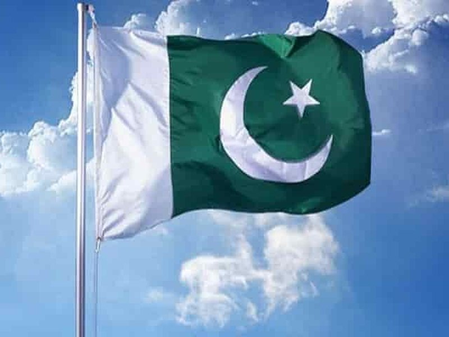
New Delhi, Oct 14 (IANS) Pakistan gained spotlight on debt management and economic reform after it was chosen to lead a newly formed platform of developing‑country borrowers, even as the country continues to rely on international financial assistance.
Finance ministers and central bank governors from over 30 developing countries chose Pakistan to lead the initiative, and country’s Finance Minister Muhammad Aurangzeb as leader of the initiative for the 2026-27 term, according to multiple reports.
The selection was done at the platform’s first governing council meeting in Bangkok. held on the sidelines of the World Bank and International Monetary Fund (IMF) Annual Meetings.
The new platform targets cooperation on managing debt, sharing reform experiences and identifying new sources of development financing.
Islamabad and IMF reached a staff-level agreement earlier in October to secure approximately $1.21 billion in additional financing, underlining its continued dependence on external support.
Aurangzeb said the platform would focus on practical cooperation and measurable development outcomes and argued that debt should support a country’s development rather than become an obstacle to economic progress.
In its 2026-27 work plan, Pakistan emphasised strengthening debt-management practices, sharing experiences of economic reforms and exploring innovative instruments for development financing.
The grouping will not assume the role of a collective bargaining platform for debtor nations or take up the negotiator role, Pakistan said in a statement.
UN Secretary-General Antonio Guterres had flagged the worsening debt crisis, and urged a structural shift to address power imbalances in the global financial system.
Pakistan’s external debt reportedly stood at $138.85 billion in Q2 2026, while its foreign exchange reserves rose to around $21.5 billion towards the end of September.
Pakistan government borrowing skyrocketed, interest payments also rose, consuming larger portions of government revenue, leaving fewer resources available for development.
A recent report argued that Pakistan’s successive stabilisation programs were designed to keep the economy afloat rather than delivering prosperity. “Most spending was consumed by routine operations, debt obligations, transfers, and subsidies, while very little was invested in infrastructure, human capital, or long-term development,” the report noted.
—IANS
aar/pk