
Indian scientists develop PLA‑ZnO filter for eco‑friendly treatment of dye‑polluted wastewater

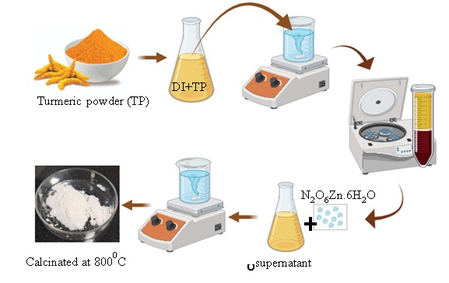
New Delhi, Oct 13 (IANS) Indian scientists have developed a sustainable, multifunctional filter that integrates green‑synthesized zinc oxide with biodegradable polylactic acid nanofibers, assisted by machine learning for an environment friendly route for treating dye-contaminated wastewater, an official statement said on Tuesday.
The statement from the Ministry of Science & Technology said the technology was developed by the Institute of Nano Science and Technology, Mohali, an autonomous institute of the Department of Science and Technology, and was published in the journal Advanced Functional Materials (Wiley).
The team immobilised zinc oxide prepared from natural sources within porous PLA nanofibers and introduced mechanical excitation along with light. The mechanical vibrations generated piezoelectric polarization, which suppressed photogenerated electron–hole recombination and enhanced reactive-species formation.
“Dr. Aviru Kumar Basu’s lab synthesised ZnO nanoparticles using turmeric extract, where naturally occurring bioactive compounds like curcumin, flavonoids and phenolic compounds acted as reducing and stabilizing agents, avoiding conventional synthesis routes involving harmful reagents,” the ministry said.
The integration of photocatalysis and piezocatalysis enabled pollutant degradation using both light and mechanical vibrations.
The discharge of persistent organic dyes from industrial activities, particularly the textile industry, created a major environmental challenge because these compounds can be stable, toxic, and resistant to natural degradation. The research addressed the need for sustainable wastewater-treatment technologies.
Existing wastewater-treatment approaches such as adsorption, sedimentation and flocculation can separate pollutants but do not necessarily destroy them.
Biological treatment can also be slow for highly stable dyes, the statement said, adding that photocatalysis offers an attractive alternative because it can degrade pollutants under relatively mild conditions while using renewable energy.
The new technology addressed several challenges faced by conventional photocatalytic systems such as recovery of nanoparticle catalysts; separation of catalysts from treated water; electron-hole recombination; dependence on light availability; and the requirement for efficient catalyst-pollutant contact.
—IANS
aar/pk