

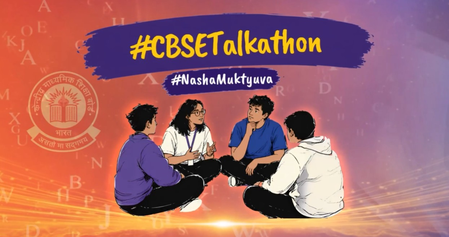
New Delhi, Sep 20 (IANS) Experts and students came together in a CBSE Talkathon to discuss the growing challenge of substance abuse among school students and ways to prevent it.
The interactive session featured Alka Awasthi, Principal of Mayur School, Noida; Prof. Nand Kumar from the Department of Psychiatry at AIIMS, New Delhi; Anish C, Additional Director of the Narcotics Control Bureau; and Class 12 students Samya and Rohit from PM Shri Kendriya Vidyalayas.
CBSE Talkathon, a series of live virtual sessions conducted by the Central Board of Secondary Education, allows specialists to speak directly to students and teachers about issues related to well-being and learning. One prominent edition centred on the Nasha Mukt Yuva (Drug-Free Youth) campaign, aimed at building awareness to combat substance abuse.
Nand Kumar explained that drugs first affect the brain by hyperactivating its reward circuit, creating intense pleasure that normal life experiences cannot match. This leads users to seek the substance repeatedly and eventually become dependent. He added that while alcohol damages the liver and stomach and cigarettes harm the lungs and throat, the brain is always the first target.
Responding to the myth that occasional alcohol use does not cause addiction, Anish cautioned that even sporadic consumption opens the door to dependency. The brain begins to associate the substance with relaxation, gradually replacing healthy coping methods.
Principal Alka Awasthi reinforced that no amount of drug use is safe, as it creates a temporary coping mechanism that ultimately leads to addiction.
Addressing concerns about sudden cessation, Nand Kumar said mild changes in attention, concentration, focus, and sleep are normal signs of dependence and indicate the need for professional support. He also debunked the belief that substances improve concentration, calling it a dangerous myth.
On helping friends influenced by harmful habits, Awasthi advised young people to show empathy and patience while clearly expressing concern. If a friend does not respond, they should involve parents, school counsellors, or peer educators. CBSE schools already have peer ambassadors and educators who monitor classmates and report concerns.
The experts agreed that strong friendships and supportive school communities create positive peer pressure that encourages refusal of drugs. Nand Kumar shared a refusal technique called CALM: clearly declare, “I will not take it”; Leave the situation immediately; use an Excuse if needed; and stay Mindful.
“Nasha Mukt,” Anish explained, means understanding drugs and saying no so that demand falls and substances stop reaching young minds. The session sent a strong message: academic or social pressure is never a justification for substance use, and seeking help should never be a source of shame.
–IANS
sktr/dan