

Washington, June 27 (IANS) US lawmakers and national security experts this week agreed that China poses one of America’s most significant strategic challenges, but differed over how Washington should respond without undermining civil liberties, academic openness and the country’s ability to attract global talent.
The debate unfolded during a hearing of the House Select Committee on the Chinese Communist Party, where witnesses discussed issues ranging from technology theft and foreign investment to university research, counter-intelligence and immigration.
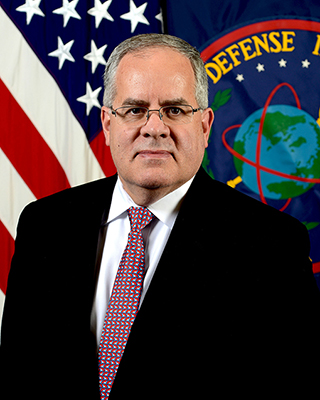
Former Acting Director of the Defence Intelligence Agency David Shedd argued that the United States needed to do more to protect sensitive technologies while avoiding excessive government regulation of private industry.
Shedd voiced concern over foreign acquisitions of American companies with valuable intellectual property, saying legal commercial transactions could sometimes achieve the same strategic objectives as cyber espionage if they transferred sensitive technologies to China. He said greater scrutiny of such investments was needed.
Lawmakers also questioned whether Chinese companies identified by the US government as national security risks should continue to benefit from American patent protections.
Asked whether such firms should retain access to US patents, Shedd replied: “The answer is absolutely not,” arguing that allowing them to use those rights against American companies created a serious contradiction.
Witnesses also highlighted concerns about research security at American universities. Michael Lucci said some US institutions had partnered with Chinese organisations linked to the country’s military despite receiving American government research funding. He described such arrangements as a growing national security concern.
John C. Yang, president and executive director of Asian Americans Advancing Justice, argued that protecting national security and preserving America’s scientific leadership should not be treated as competing goals.
He pointed to new federal disclosure standards for research grants as a better way to strengthen transparency while avoiding the mistakes of earlier programmes that disproportionately affected researchers of Chinese origin. Yang also called for immigration reforms that would encourage highly skilled scientists and researchers to remain in the United States.
Several lawmakers also questioned recent changes affecting federal counter-intelligence capabilities, expressing concern that reducing dedicated resources to combat foreign influence could weaken Washington’s response to China’s expanding intelligence operations. Shedd said scaling back such capabilities would be “a mistake”, although he added that existing programmes should also be evaluated for effectiveness.
Throughout the hearing, members of both parties agreed that China remains the United States’ principal long-term strategic competitor. Their debate centred less on whether Beijing poses a threat than on how best to protect American technology, research and national security while maintaining the openness that has long underpinned US scientific and economic leadership.
–IANS
lkj/rs