
‘Recurring acid attacks on women in Pakistan expose societal and institutional failures’

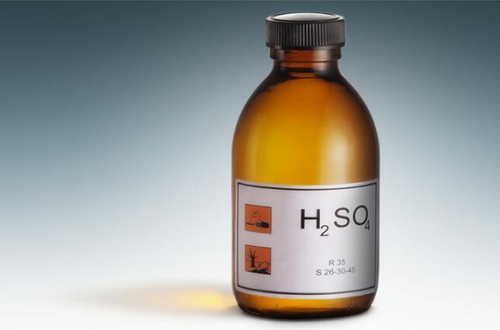
Colombo/Islamabad, June 24 (IANS) The persistence of acid violence in Pakistan reflects deep-seated societal and institutional failures, exposing the state’s inability to effectively enforce its own laws and a culture that continues to silence women through “mutilation”, according to a report.
Often preceded by threats, harassment, or rejected proposals, acid attacks are preventable acts of violence. However, the Pakistani authorities have failed in monitoring risk factors, enforcing controls on acid sales, and ensuring sustained support for victims, according to a report in the Sri Lankan newspaper Daily Mirror.
“On June 6, Quetta’s Civil Hospital became the site of yet another harrowing act of violence when Dr Mahnoor Nasir, a young physician, was attacked with acid while on duty. Seventy per cent of her body was burned; her face, chest, and legs were mutilated in an instant. The assailant, a hospital employee tasked with operating the lift, knocked on her door and hurled acid when she stepped out. He fled but was later killed in a police encounter,” the report noted.
The report highlighted that Pakistan’s Young Doctors Association strongly condemned the “inadequate security arrangements” that enabled such a horrific incident to take place within what should have been the sanctity of a medical institution.
It stated that the case was not an isolated incident but part of a broader pattern of violence against women.
“On June 3, 2026, a 17-year-old girl in the Ghotki district was attacked by her cousin, Miandad Mahar, who objected to her family keeping a mobile phone at home. She suffered severe burns to her face, eyes, chest, and arms. In January 2024, a schoolteacher in Lahore was disfigured when two men threw acid on her face after her parents rejected a marriage proposal,” the report detailed.
“In May 2024, a policewoman in Karachi was critically injured when her husband hurled acid on her near a graveyard, leaving her with 33 per cent burns. August 2025, Shazia Bib, a 32-year-old woman in Bahawalpur, was attacked by a neighbour during a property dispute. June 2025, Basharat Ali of Okara threw acid on his mother-in-law and teenage son, blaming her for his failed marriage,” it further stated.
Stressing that these incidents across Pakistan reflect the same “brutal reality”, the report said acid continues to be used as “a weapon of patriarchal vengeance, ego, and control, leaving women mutilated for rejecting advances, resisting oppression, or simply existing with autonomy”.
According to the report, Pakistan’s legislative response has remained “woefully inadequate”. While the Criminal Law (Amendment) Bill 2011 was projected as a “milestone”, it failed to regulate the sale of acid, with the substance available at chemist shops for as little as Pakistani Rs 80.
It argued that the legislation focused on penalising perpetrators but neglected rehabilitation of victims, leaving families to bear the “crushing financial, psychological, and emotional burden of treatment”.
Highlighting the pervasive nature of acid attacks, the report said: “Despite the enormity of the crime, Pakistan’s response remains marred by indifference. The most recent figures indicate that Pakistan records an estimated 80 acid attacks annually, though experts caution this number is likely underreported due to stigma, weak reporting systems, and gaps in official tracking.”
–IANS
scor/vd