PoK unrest exposes growing discontent against Islamabad’s interference: Report

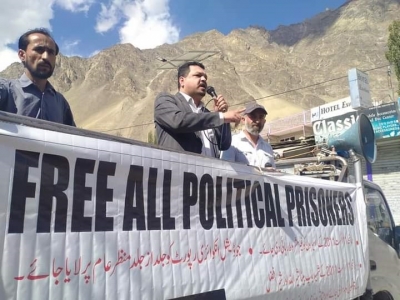
Islamabad, June 20 (IANS) As residents of Pakistan-occupied Kashmir (PoK) continue to grapple with rising prices of essential commodities, grievances over political representation are expected to remain a potent rallying point for public dissent. Despite its recent designation as a terrorist organisation, the Joint Awami Action Committee (JAAC), and similar groups are likely to continue seeking ways to challenge the status quo that Islamabad remains determined to maintain, a report has stated.
According to a report in the online magazine ‘The Diplomat’, the deadly confrontation between protesters and security forces in PoK this month has highlighted deep-rooted public discontent in the region and concerns over Islamabad’s continued interference.
The violent crackdown by Pakistani authorities on protestors demanding governance reform has resulted in dozens of deaths, triggering a political crisis for Islamabad and drawing international condemnation.
With legislative assembly elections scheduled for the end of July, the unrest in PoK presents a significant domestic challenge for the Pakistani government – one that cannot be obscured by diplomatic outreach or efforts to project itself as a peacemaker, The Diplomat mentioned.
The report noted that on June 5 the authorities announced elections in PoK scheduled for July 27.
Simultaneously, the authorities also banned the Joint Awami Action Committee (JAAC), a coalition of lawyers, traders, transporters, and civil society activists, accusing it of being involved in “terrorism”.
The timing of these simultaneous announcements, the report said, is “unlikely to be coincidental.”
“Anticipating unrest against the July elections”, the local authorities, “almost certainly acting under instruction from Islamabad and more specifically Pakistan’s military establishment, has moved swiftly to curtail the public’s capacity to organise by targeting the region’s most influential protest movement.”
The JAAC reacted to its ban, the announcement of elections in the region, and the judiciary’s decision to uphold the 12 reserved seats by calling a “wheel-jam strike” for June 9.
“The reserved seats issue, however, is only one of several grievances underpinning the current unrest. Economic hardship has also been a major driver of protest over the past two years, with the JAAC repeatedly harnessing public frustration over the rising cost of living. Electricity prices are a particularly sensitive issue, given the region’s vast hydropower resources and the widespread perception that local communities have not benefited proportionately from the resources they provide,” the report detailed.
The report highlighted that the crisis in PoK has laid bare the weakening social contract and exposed the constraints of Islamabad’s authority in the region.
“Overt election interference has been compounded by sharp increases in the price of fuel and wheat and has contributed to a perception that continued subordination to the federal government has delivered few benefits to residents. This has amplified discontent and created a major challenge to the existing political order,” it stressed.
The actions of Pakistani authorities, the report said, have triggered widespread international outrage, particularly among members of the Kashmiri diaspora. Thousands marched through the streets of London to voice their opposition to the actions of the Pakistani security forces.
–IANS
scor/ksk/as