

Washington, June 3 (IANS) The United States must strengthen its fisheries, maritime infrastructure, shipbuilding capacity and workforce development to remain competitive in the rapidly expanding global blue economy, lawmakers and industry leaders told a Senate hearing.
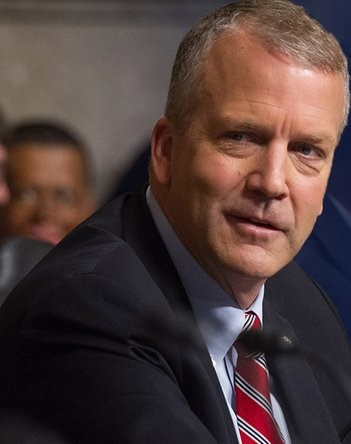
At a Congressional hearing on “The Blue Economy: Advancing American Fisheries, Maritime Industry, and Coastal Economies,” Sen. Dan Sullivan said America’s oceans, coasts and waterways are central to economic growth, food security and national defence.
“The blue economy encompasses the industries, activities and of course, the communities that rely on our oceans, coasts, Great Lakes to create economic opportunities, support jobs, strengthen national security and sustain coastal communities,” Sullivan said. He noted that in 2022 the sector generated more than $470 billion in goods and services and supported 2.4 million jobs.
Sullivan said commercial fisheries, maritime transportation, ports, tourism and recreation were all critical pillars of the sector. He described seafood competitiveness as both “economic security and even national security” and warned that illegal, unreported and unregulated fishing continued to threaten global fish stocks and fair competition.
Sen. Lisa Blunt Rochester, the ranking member, highlighted the importance of coastal economies to states across the country. She said Delaware’s coastal economy supports more than 100,000 jobs and generates over $22 billion in economic output. However, she criticised proposed cuts to federal maritime and coastal programmes, arguing they would undermine economic growth and sustainable development.
Witnesses repeatedly stressed that investment in workforce development would be essential for future growth.
Tommy Sheridan, director of the Alaska Blue Economy Center at the University of Alaska Fairbanks, warned that many coastal communities were losing young families because of economic stagnation and rising costs.
“When families leave coastal Alaska, we don’t just lose a line on a census report. We lose a classroom. We lose a volunteer firefighter. We lose our future,” Sheridan said. He urged Congress to invest in STEM education, fisheries science, workforce development and innovation.
Jeremy Woodrow, executive director of the Alaska Seafood Marketing Institute, said Alaska seafood reached more than 90 countries and played an important role in global food security. But he warned that American producers faced intense competition from foreign rivals, especially Russia, along with growing tariff and regulatory challenges.
“Alaska seafood tells a uniquely American story, one of stewardship, resilience, and leadership,” Woodrow said, calling for continued federal support for science, infrastructure and market development.
Nathan Wardwell, a hydrographic surveying specialist, argued that mapping America’s waters was fundamental to commerce, navigation and national security. He said 46 per cent of US coastal, ocean and Great Lakes waters remained unmapped to modern standards, while 62 per cent of Alaska’s waters lacked modern mapping.
“The blue economy cannot function without hydrographic services,” Wardwell said. “Hydrographic data is not a government overhead cost. It is the infrastructure the blue economy is built on.”
Clay Hale of Crowley Maritime Corporation defended the century-old Jones Act, saying it remained essential to supporting American shipbuilding, maritime jobs and military readiness. He warned that prolonged waivers allowing foreign vessels to operate in domestic trade routes could discourage investment and weaken the US maritime industry.
The hearing reflected growing bipartisan concern over America’s maritime competitiveness as policymakers seek to counter expanding Chinese and Russian influence in global shipping, fisheries and port infrastructure.
–IANS
lkj/rs