From Puttingal to Thrissur, a recurring cycle of fireworks tragedies in Kerala

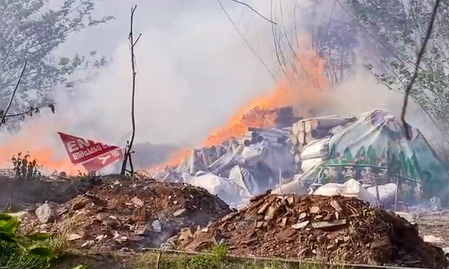
Thiruvananthapuram, April 22 (IANS) The latest firecracker explosion at Mundathikkode in Thrissur is not an isolated disaster; it is part of a long and troubling continuum of fireworks-related tragedies in Kerala, raising serious questions about whether the state has truly absorbed the lessons of its past.
The most searing reference point remains the 2016 Puttingal temple fireworks disaster in Kollam, where a competitive display triggered a massive blast that killed 111 people and injured over 350.
Investigations that followed had pointed clearly to violations — illegal storage of explosives, lack of permissions, and poor enforcement of safety norms.
Yet, nearly a decade later, similar fault lines appear to persist.
History shows that such incidents are neither rare nor recent.
As far back as 1952, a fireworks explosion at Sabarimala Temple claimed 68 lives, underlining how deeply embedded risks have been in festival practices.
In 1987, the Kuttamooli temple accident in Thrissur killed 20 people, followed by another deadly blast in 1990 at the Malanada Temple, which claimed 26 lives.
More recent incidents show little has changed. In 2024, over 150 people were injured in a fireworks accident at Anjootambalam Veerarkavu Temple in Kasaragod.
The same year, a blast at Tripunithura, where fireworks were stored for a temple festival, killed two people and damaged more than 100 houses, highlighting the risks posed not just during displays but also in storage and handling.
The pattern is stark: repeated accidents, followed by inquiries, compensation announcements, and renewed promises of stricter regulation.
Yet implementation remains inconsistent.
Committees have repeatedly recommended tighter licensing, safe storage distances, and stricter monitoring of explosive materials.
However, enforcement on the ground continues to lag, often compromised by local pressures, administrative gaps, and the cultural weight of tradition.
The Mundathikkode tragedy now fits into this larger narrative of systemic failure.
It underscores that the issue is no longer about isolated lapses but about a structural inability to enforce safety norms in high-risk festival environments.
Kerala today stands at a crossroads.
The choice is between continuing a reactive approach, responding to disasters after they occur or shifting to a preventive framework rooted in accountability and strict enforcement.
Without that shift, each festival season risks reopening old wounds, with history repeating itself in increasingly painful ways.
–IANS
sg/vd